

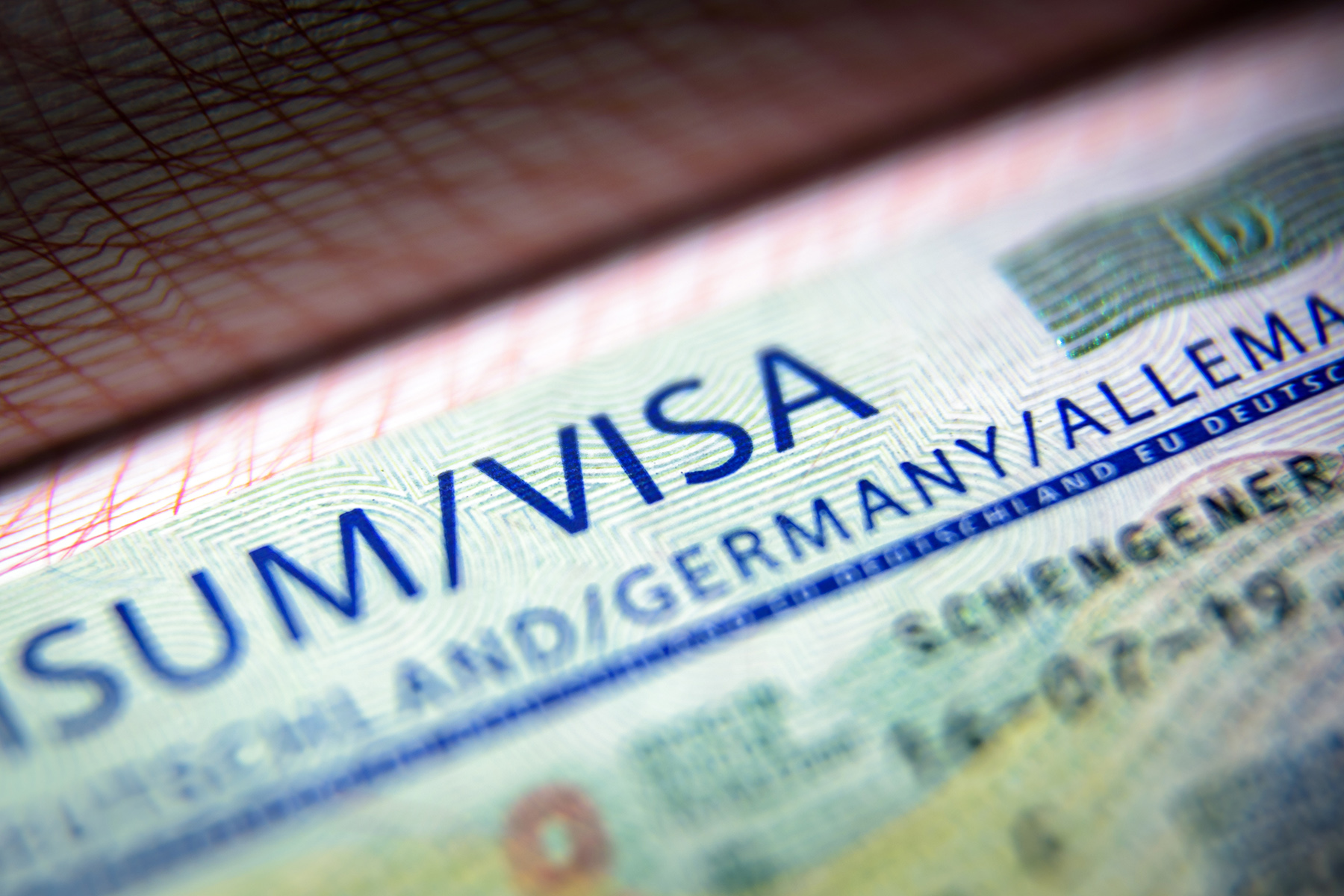
It will now be simpler for talented non-EU people to relocate to Germany and find employment there. The coalition government has reached an immigration agreement in an effort to draw in more skilled employees. The agreement, among other things, makes it simpler for talented non-EU employees to look for employment and work in Germany, particularly if they are employed in one of the professions where there is a labour shortage.
The cabinet of Angela Merkel reportedly worked until late Monday night to resolve the immigration issue, according to the German publication Deutsche Welle. The great coalition’s discussions centered on these two issues:
- How to import qualified workers from non-EU nations in order to close the skilled labour shortage in Germany.
- What are the chances of asylum seekers who were turned down who have since obtained employment and assimilated into society staying in Germany.
The new immigration law lessens the barriers that competent foreign workers with the necessary education and skills must overcome in order to find employment in Germany.
Now, as long as they have a valid occupational training or degree and an employment contract, any non-EU person may work in Germany.
In contrast to the past, when they could only hire workers in certain fields, German businesses in every industry are now able to hire talented foreign workers.
Additionally, job searchers will have six months at their disposal to pursue employment in Germany. But continuing your vocational training is still necessary.
The law would also give rejected asylum applicants who remain in the country the chance to obtain a better residency status by securing a permanent employment.
Post a Comment